
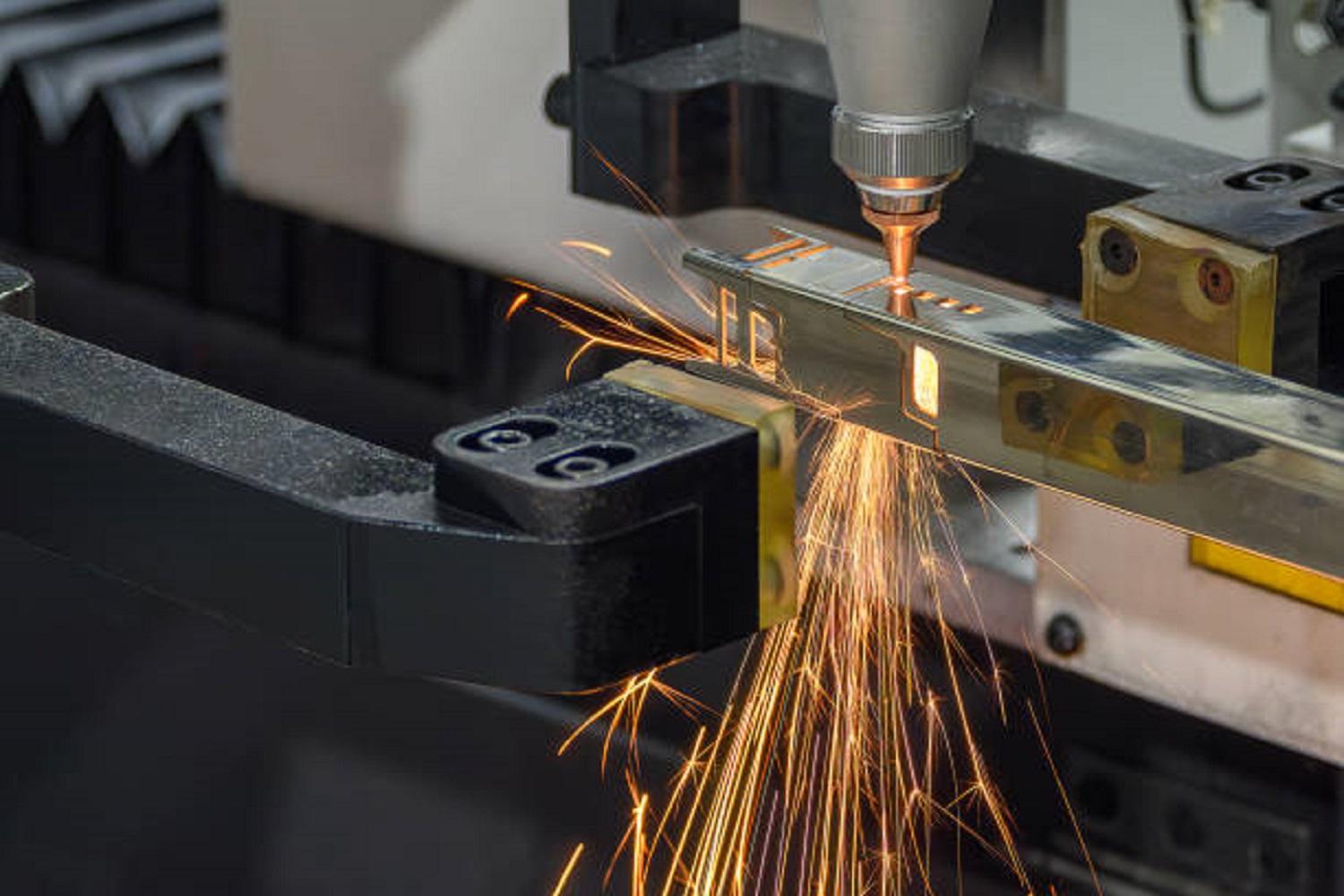
In an era defined by lean manufacturing and complex geometries, tube laser cutting is no longer just a convenience; it’s a strategic enabler. For fabricators seeking to optimise for speed, cost, and design agility, laser cutting is redefining what’s possible with metal tubing. But to truly leverage its potential, we must look beyond the basics and examine where its competitive advantages intersect with operational goals.
Design-Driven Manufacturing: Empowering Engineers at the CAD Stage
Modern tube laser systems fully integrate with CAD/CAM platforms, allowing designers to simulate load paths, pre-engineer interlocking features, and account for thermal distortion before a cut is even made. This upstream control enables design-for-manufacture principles to be applied early, reducing the need for post-cut modifications and enabling smarter geometries that reduce part counts and welding seams.
The Precision Multiplier: How Accuracy Affects Downstream Processes
While high accuracy is often cited, its downstream impact is rarely appreciated. Tolerances in the 0.1 mm range ensure not only cleaner joins but also reduce fixturing complexity, manual correction, and QC rejections. In production environments, this cascades into measurable reductions in labour time per unit and a more stable takt time, critical for JIT or cellular manufacturing strategies.
Integrated Secondary Operations: Beyond Cutting Alone
The latest generation of tube laser machines incorporate tapping, etching, chamfering, and slotting in one pass. This integration isn’t just a productivity booster, it changes the business model. Subcontractors can now offer near-finished assemblies directly from a single machine cell, reducing multi-vendor dependencies and tightening supply chains.
Fixture-Free Assembly: The Rise of Self-Locating Designs
Thanks to high repeatability, fabricators are increasingly using laser-cut features to create self-jigging parts. Tabs, slots, and alignment keys built into the tube geometry eliminate the need for external jigs or measuring tools during assembly. The result: reduced tooling investment, faster setup, and less operator dependency.
Quantifiable ROI: When CapEx Delivers Strategic Advantage
Investment in tube laser technology can be justified not only by faster throughput but by reduced WIP inventory, floor space compression, and better quality control. Smart shops tie machine metrics into MES platforms to track productivity and reject rates in real time, making laser cutting service part of a broader Industry 4.0 strategy.
Sustainability Through Efficiency
With minimal material wastage and reduced energy compared to traditional CNC methods, laser systems align with ESG goals without sacrificing performance. Nesting software also ensures optimised raw material usage—a major concern with the rising cost of alloys and stainless steel tubing.
To fully exploit tube laser cutting, it must be viewed as a strategic asset, not just a tool. When integrated into the design, production, and logistics chain, it becomes a driver of precision, scalability, and innovation in high-mix, low-volume fabrication.