
When it comes to construction projects, whether small DIY home improvements or large commercial buildings, getting the concrete mix right is crucial. The strength and durability of your finished structure depend heavily on proper mixing.
A concrete mixer is the unsung hero of construction sites everywhere, transforming separate ingredients into the foundation material that literally supports our modern world.
Types of Concrete Mixers for Different Needs
1. Drum Mixers
These are the most common type you’ll see on construction sites. Drum mixers feature a rotating drum that tumbles the ingredients together. They come in various sizes:
- Portable drum mixers for small home projects
- Towable mixers for medium-sized jobs
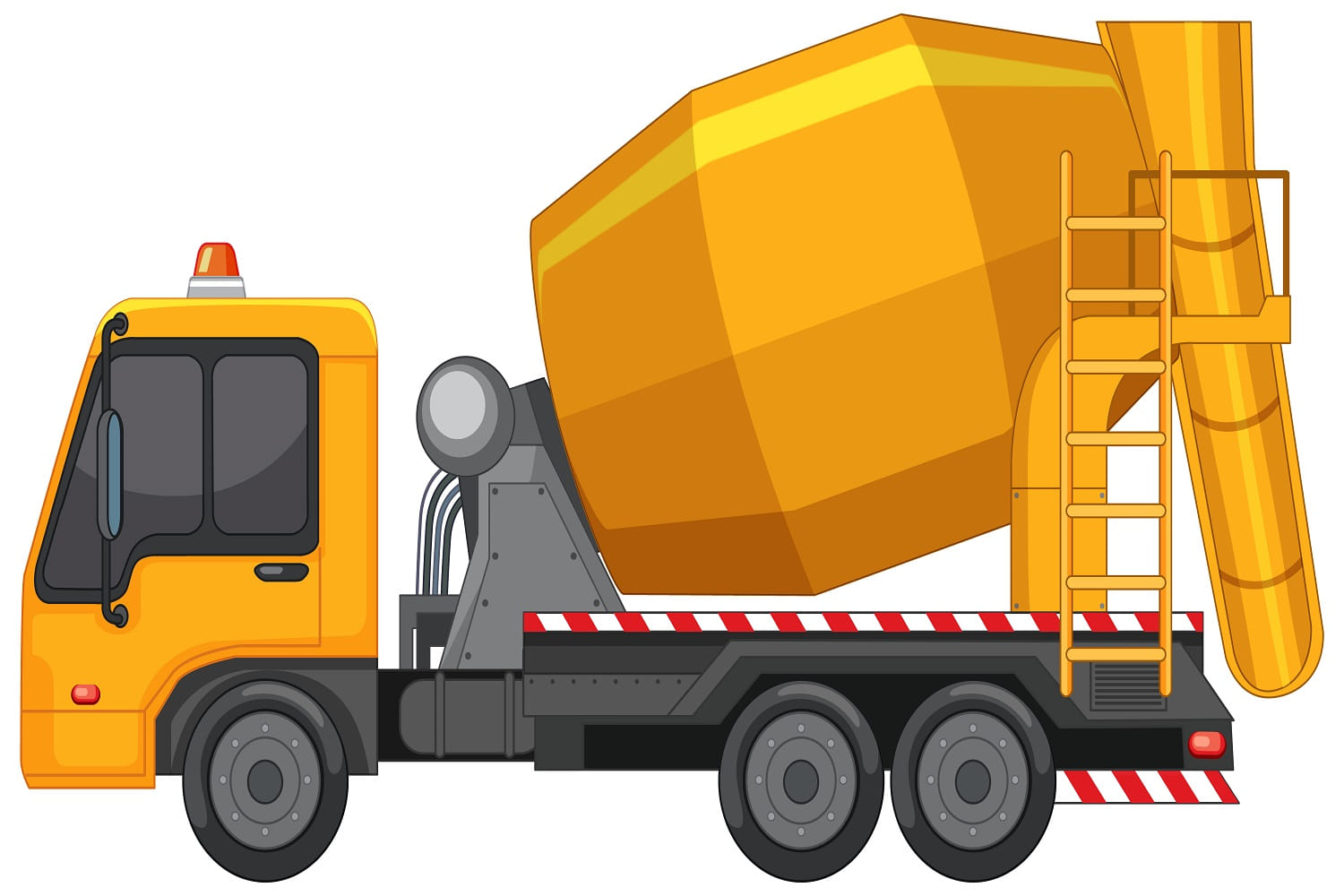
- Truck-mounted mixers (those familiar spinning trucks) for large commercial projects
2. Pan Mixers
Unlike drum mixers, pan mixers use a stationary pan with rotating paddles. They mix concrete more thoroughly and quickly, making them ideal for precast concrete operations where consistency is paramount.
3. Continuous Mixers
These specialized machines continuously mix and discharge concrete, perfect for projects requiring constant concrete supply like road construction or large foundation pours.
Choosing the Right Mixer for Your Project
Selecting the appropriate concrete mixer depends on several factors:
Project size: Small backyard patio or multi-story building?
Mixing volume: How many cubic yards of concrete do you need?
Mobility requirements: Does the mixer need to move around the site?
Power source availability: Electric, gas, or diesel?
For weekend warriors tackling home projects, a small portable electric mixer might be perfect. Contractors handling multiple medium-sized jobs often prefer towable gas-powered mixers for their flexibility and capacity.
Getting the Most from Your Concrete Mixer
Proper Loading Sequence
The order of adding ingredients matters more than you might think:
- Add about half the water first
- Add the dry materials (cement, sand, aggregate)
- Add remaining water as needed
This sequence helps prevent dry pockets and ensures more thorough mixing.
Timing Is Everything
Don’t mix concrete too far ahead of when you’ll use it. In warm weather, you might have only 60-90 minutes before the concrete becomes too stiff to work with properly.
Maintenance Tips to Extend Mixer Life
A well-maintained concrete mixer can last for years. Some essential maintenance includes:
- Washing thoroughly after each use before concrete hardens
- Checking and greasing bearings regularly
- Inspecting belts, gears, and motors for wear
- Keeping gas or diesel engines tuned up
- Checking for drum damage or excessive wear
Many professionals spray the inside of their mixer with a release agent before mixing, making cleanup much easier.
Safety Considerations
Working with concrete mixers involves several hazards:
- Moving parts can catch clothing or extremities
- Concrete itself is caustic and can cause chemical burns
- Mixers are heavy equipment that can tip over
- Engines produce carbon monoxide in enclosed spaces
Always wear appropriate safety gear including gloves, eye protection, and dust masks when working with concrete.
Final Thoughts
Whether you’re a DIY enthusiast tackling your first patio or a construction professional handling major projects, choosing the right concrete mixer can make all the difference in your results.
By understanding the different types available and how to properly use and maintain them, you’ll ensure stronger, more durable concrete structures that stand the test of time.