
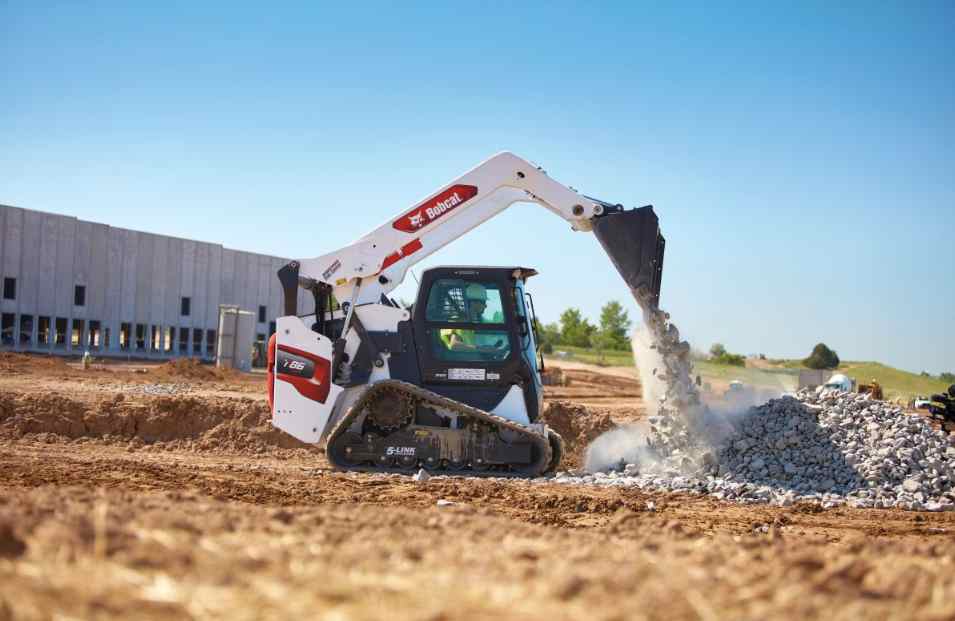
Selecting the right earthmoving equipment for a construction, landscaping, or earth-moving project often determines whether a job stays on schedule or falls behind. Among modern compact machinery, compact track loaders—frequently referred to as skid steers or track loaders—have become indispensable tools. Their ability to navigate soft mud, lift heavy materials, and operate versatile attachments makes them essential for job sites of all sizes. However, choosing a machine solely based on size or horsepower can lead to costly operational inefficiencies.
To select the ideal compact track loader, operators and job site managers must carefully evaluate key performance metrics such as operating capacity, ground pressure, hydraulic flow, and lift geometry. When evaluating equipment performance benchmarks for mid-sized earthmoving projects, reviewing the detailed specifications of a machine like the Kubota Skidsteer SVL65-2 at Sniper Rentals offers a clear baseline for what to look for in terms of rated operating capacity, hydraulic output, and ground clearance. Understanding how these technical factors intersect with real-world job conditions helps ensure you pick a machine that maximizes productivity without overworking its system.
Key Performance Specifications to Evaluate Before Selecting a Loader
Before sourcing a machine, breaking down core mechanical specifications helps clarify what kind of workload a track loader can safely handle.
1. Rated Operating Capacity (ROC)
Rated Operating Capacity is the maximum weight a machine can lift and transport safely without tipping or straining its hydraulic system. By industry safety standards, the ROC for track loaders is typically calculated as 35% to 50% of the machine’s tipping load.
- Light-Duty Tasks (Under 1,500 lbs ROC): Ideal for basic property maintenance, light soil spreading, and moving palletized mulch.
- Mid-Duty Tasks (1,800 to 2,300 lbs ROC): Excellent for general landscaping, excavation, grading, and moving dense building supplies like concrete pavers.
- Heavy-Duty Tasks (2,500+ lbs ROC): Designed for heavy land clearing, demolition debris removal, and high-volume commercial utility work.
2. Vertical Lift vs. Radial Lift Geometry
Track loaders feature two primary lift arm designs. Choosing the wrong arm path makes material placement significantly harder.
[ RADIAL LIFT ] ──► Maximum reach at mid-height (Ideal for dumping over low walls / grading)
[ VERTICAL LIFT ] ──► Maximum reach at full height (Ideal for loading high-sided dump trucks)
- Radial Lift: The bucket moves in an arc from the ground to maximum height. This design provides maximum forward reach at mid-range height, making it ideal for excavating, grading, and backfilling trenches.
- Vertical Lift: The bucket rises nearly straight up, keeping the load closer to the machine’s center of gravity. This path offers maximum reach at full height, making it far better suited for loading high-sided dump trucks or placing heavy pallets onto elevated staging areas.
Understanding Ground Pressure and Undercarriage Dynamics
One of the primary reasons contractors choose tracked loaders over wheeled skid steers is flotation. Tracks distribute machine weight over a much larger surface area, reducing ground pressure significantly.
Ground Pressure Calculations
Ground pressure is measured in pounds per square inch (PSI). Standard rubber tracks typically exert between 4.0 and 5.5 PSI on the ground surface. To put this in perspective:
- An average human adult footstep exerts approximately 8.0 PSI.
- A standard wheeled skid steer exerts between 30.0 and 35.0 PSI.
Because tracked loaders exert lower PSI than a human footprint, they can travel over soft clay, sand, and soaked turf without rutting the ground or getting stuck. This capability extends working seasons into rainy months when wheeled machinery would immobilize site operations.
Matching Hydraulic Flow to Your Attachments
A compact loader is only as useful as the attachments it powers. While standard dirt buckets require minimal hydraulic power, specialized tools demand robust auxiliary hydraulic flow.
Standard Flow Hydraulics
Standard hydraulic systems typically deliver between 15 and 22 gallons per minute (GPM) of fluid flow. This provides ample power for basic attachments such as:
- Standard earthmoving buckets
- Pallet forks
- Hydraulic augers for post holes
- Light trenching attachments
High-Flow Hydraulics
High-flow options increase fluid delivery to between 26 and 40 GPM, dramatically increasing hydraulic horsepower. High-flow auxiliary output is mandatory if your job requires heavy-duty motor-driven attachments such as:
- Forestry mulchers and brush cutters
- Cold planers for asphalt milling
- Heavy rock saws and stump grinders
Operating high-demand attachments on a standard-flow machine causes motor overheating, sluggish performance, and premature pump wear. Always verify the GPM requirements of your planned attachments against the machine’s auxiliary output.
Step-by-Step Pre-Operation Safety and Inspection Guide
To keep job sites safe and prevent unexpected downtime, operators should perform a thorough walk-around inspection at the start of every shift.
1. Inspect Track Tension and Undercarriage Components
Check rubber tracks for deep cuts, missing lugs, or exposed steel belts. Measure track tension according to manufacturer guidelines—typically requiring roughly half an inch of sag between the center roller and the track. Loose tracks risk derailment, while over-tightened tracks accelerate bearing wear.
2. Verify Vital Fluid Levels
Open the rear engine door and inspect the engine oil, hydraulic fluid, engine coolant, and fuel levels. Low hydraulic fluid levels can introduce air into the hydrostatic pumps, leading to erratic travel controls and reduced lifting power.
3. Check Hydraulic Couplers and Hoses
Inspect auxiliary hydraulic lines for cracks, leaks, or frayed outer sleeves. Wipe quick-disconnect couplers clean before plugging in attachments to prevent dirt and sand from entering the closed hydraulic system.
4. Test Safety Interlocks and Quick-Tach Latching
Step into the cab and verify that the safety seat bar lowers smoothly and engages the hydraulic lockout. Before operating any attachment, visually confirm that the quick-tach locking pins are fully driven through the mounting plate holes.
Core Summary Checklist for Equipment Selection
- Match Lift Path to Target: Choose vertical lift for truck loading and high pallet placement; choose radial lift for digging and grading.
- Check Hydraulic Demands: Ensure attachment GPM requirements do not exceed the machine’s auxiliary hydraulic output.
- Respect Weight Limits: Keep working loads well within the machine’s Rated Operating Capacity to maintain safety and equipment longevity.