
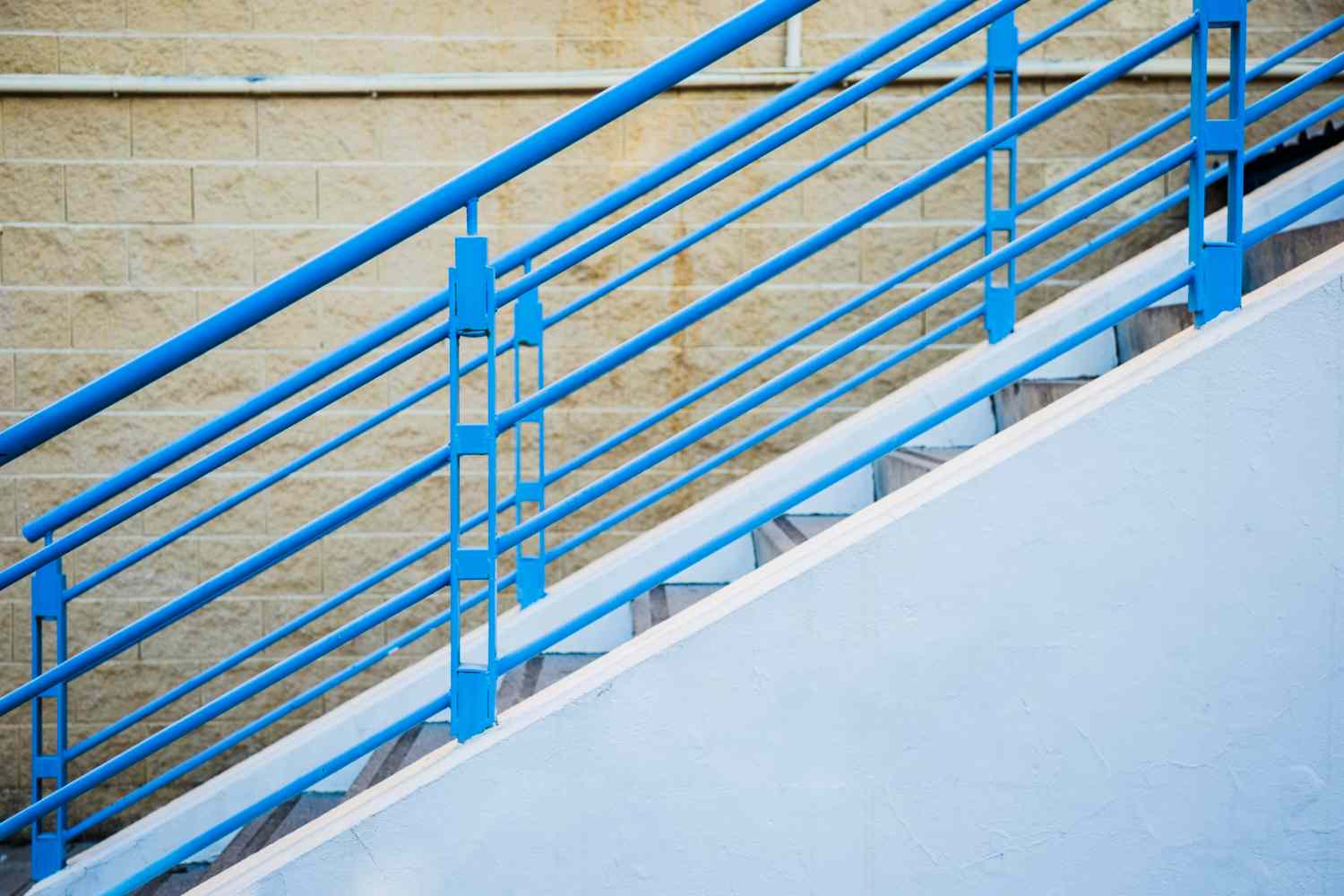
A lot of people approach balustrades thinking mainly about how they look. Clean lines, modern finishes, maybe glass panels for that open feel. But when it comes to commercial balustrade design australian standard, appearance is actually the second priority—not the first.
Safety leads. Always.
And that’s where things get a bit more serious than most expect.
It’s Not Just A Design Choice
Balustrades in commercial spaces aren’t decorative add-ons. They’re safety systems.
They’re there to prevent falls, guide movement, and protect people in high-traffic areas. That means every detail—height, spacing, load resistance—has to meet strict requirements.
The commercial balustrade design australian standard exists for a reason. It sets clear guidelines so these structures perform properly under real-world conditions, not just look good in a finished space.
Because in busy environments, things get unpredictable.
Small Measurements, Big Impact
Here’s something most people overlook—tiny measurement differences matter.
The gap between balusters, the height of the railing, the strength of the materials… even slight deviations can lead to non-compliance. And that’s not just a technical issue—it can become a legal one too.
It’s one of those areas where “close enough” really isn’t enough.
That’s why professionals working within commercial balustrade design australian standard frameworks pay close attention to exact specifications. Not approximate. Exact.
Load And Pressure Aren’t Theoretical
In commercial settings, balustrades deal with constant use. People leaning, pushing, crowding—especially in places like shopping centres, offices, or public venues.
So they’re designed to handle force. Not just static weight, but dynamic pressure.
A properly built system doesn’t flex or weaken under stress. That reliability is part of what the standard ensures.
And when it’s done right, no one even thinks about it—which is kind of the goal.
Compliance Isn’t Optional
This is where things shift from design preference to requirement.
If a balustrade doesn’t meet the commercial balustrade design australian standard, it may fail inspections, delay projects, or require costly rework. Worse, it can pose actual safety risks.
So while creative design still plays a role, it has to sit within a framework of compliance. Not outside it.
Balancing Style With Responsibility
Here’s the interesting part—you don’t have to sacrifice aesthetics to meet standards.
Aluminum balustrade, glass, steel—there are plenty of options that look sharp while still complying fully. The key is understanding how to design within the rules, not around them.
That’s where experienced designers stand out.
They don’t just create something that looks good—they create something that works, lasts, and meets every requirement without compromise.
The Detail That Defines The Outcome
At the end of the day, a balustrade might seem like a simple feature.
But in commercial spaces, it carries a lot of responsibility.
And when you follow the standard properly, you end up with something that does exactly what it’s supposed to—quietly, reliably, and without needing attention.