
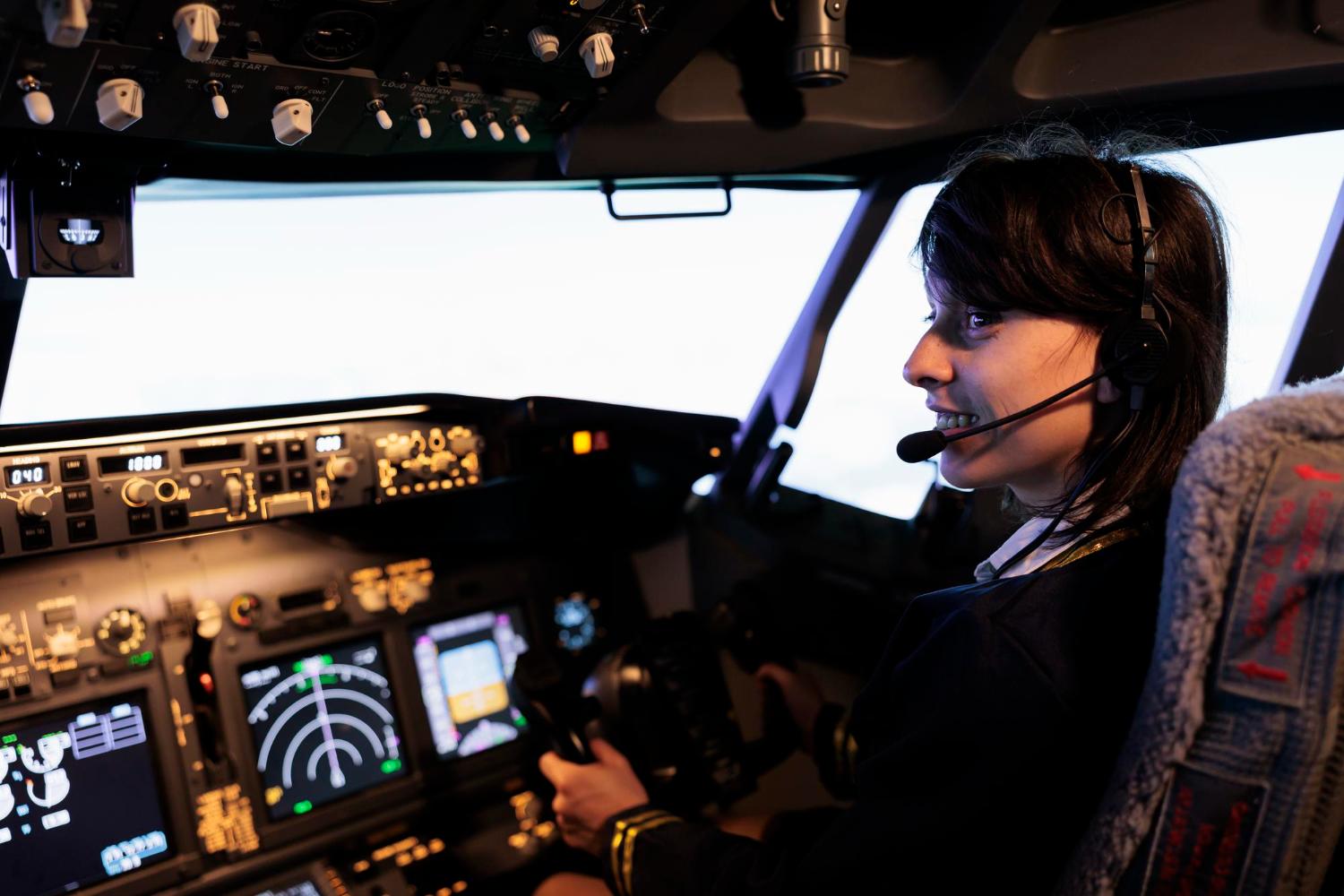
Operating aircraft in remote regions of Alaska presents unique challenges that demand specialized aviation support. Harsh weather, rugged terrain, limited infrastructure, and unpredictable conditions require expert knowledge, experience, and resources to ensure safe and efficient operations. Tanalian Aviation emphasizes that having access to specialized aviation support is not optional in these environments—it is essential for safety, reliability, and mission success.
1. Navigating Harsh Weather Conditions
Alaska is known for its rapidly changing weather, including:
- Heavy snowfall and ice accumulation
- Strong winds and low visibility
- Extreme temperature fluctuations
Specialized aviation support includes accurate weather forecasting, real-time monitoring, and guidance on flight planning. Experienced personnel help pilots anticipate conditions, select appropriate routes, and make critical adjustments in-flight, reducing the risk of weather-related incidents.
2. Managing Rugged and Remote Terrain
Many remote areas in Alaska lack paved runways or conventional airports. Pilots must navigate:
- Gravel bars, ice strips, and unprepared landing zones
- Mountainous regions with limited approach paths
- Rivers, glaciers, and other natural obstacles
Specialized aviation support provides detailed terrain analysis, route planning, and landing assistance, ensuring that aircraft can operate safely in these challenging environments.
3. Access to Critical Resources
In remote regions, resources such as fuel, maintenance services, and emergency support are limited. Specialized aviation support ensures:
- Proper fuel planning and access at remote airstrips
- Maintenance checks and repair capabilities on-site or via mobile units
- Emergency response coordination in case of mechanical issues or accidents
Tanalia Aviation ensures that all necessary logistical support is in place to maintain operational readiness and safety.
4. Enhancing Safety Through Expertise
Operating in remote Alaska requires specialized skills and knowledge that go beyond standard aviation training. This includes:
- Familiarity with backcountry flight procedures
- Experience with short takeoff and landing (STOL) techniques
- Understanding of seasonal hazards such as avalanches, ice bridges, and wildlife
Professional aviation support teams reduce risk by guiding pilots, providing real-time advice, and anticipating potential hazards before they become critical.
5. Supporting Diverse Missions
Specialized aviation support is crucial for a wide range of missions in Alaska, including:
- Medical evacuations and emergency response
- Cargo and supply delivery to isolated communities
- Scientific research and environmental monitoring
- Tourism, hunting, and adventure expeditions
Each type of operation requires tailored support, from aircraft selection to route planning and on-the-ground coordination.
6. Efficient Coordination and Communication
Remote operations demand reliable communication systems for safety and operational efficiency. Specialized aviation support ensures:
- Clear communication between pilots, ground crews, and support teams
- Use of satellite radios, GPS tracking, and emergency signaling equipment
- Coordination with local authorities and air traffic services when available
These systems allow teams to respond quickly to changes or emergencies, maintaining operational integrity.
7. Reducing Operational Risks
Without specialized aviation support, operating in Alaska’s remote regions carries high risks:
- Increased likelihood of accidents due to unfamiliar terrain or weather
- Delays or mission failures due to lack of planning and resources
- Difficulty accessing emergency assistance if an incident occurs
Tanalia Aviation mitigates these risks through comprehensive planning, experienced staff, and robust support networks.
8. Training and Knowledge Transfer
Specialized aviation support also includes training for pilots and crews:
- Instruction on handling unique backcountry challenges
- Simulation of emergency scenarios to improve decision-making
- Guidance on equipment and technology specific to remote operations
This training ensures that crews are prepared, confident, and capable of handling the unpredictable nature of Alaskan aviation.
9. Long-Term Operational Benefits
Investing in specialized aviation support yields long-term advantages:
- Safer and more reliable flights
- Efficient mission completion with fewer delays
- Reduced wear and tear on aircraft due to expert handling
- Enhanced reputation and trust among clients and communities
Through ongoing support and guidance, pilots and organizations can maintain consistent operational standards even in Alaska’s most isolated areas.
Conclusion
Operating in remote Alaska presents challenges that go far beyond standard aviation procedures. From harsh weather and rugged terrain to limited resources and emergency preparedness, specialized aviation support is essential for safe and efficient operations.
According to Tanalian Aviation, expert guidance, planning, and resources ensure that pilots can navigate these demanding environments confidently. With professional support, missions are safer, more reliable, and more successful, highlighting the critical importance of specialized aviation services in one of the most challenging regions in the world.